Intention Setting for the New Year: A Guided Sound Bath Practice
Welcoming the New Year With Intention and Sound
As we move into 2026, many people feel the pull to reflect, reset, and imagine what they want the year ahead to hold. In therapy and in sound healing, I often see that clarity alone is not enough. For real change to take root, the nervous system needs to feel safe enough to want something new.
This is where intention-setting becomes essential. In sound healing, intention-setting is not a passive wish. It is an embodied experience that demonstrates clarity in your vision. Before sound begins, setting an intention helps you imagine what it is like to have already what you want, gently signaling to your nervous system that desire, expansion, and change are not a threat.
In this post, I am sharing a grounded, repeatable intention-setting practice to pair with a 10-minute intention-setting sound bath, which you can listen to once a day for 7 days. This is a supportive way to begin 2026 feeling regulated and open to the goals and vision you set for the year.
Why Intention Is the Foundation of Sound Healing
Intentions are clear, purposeful statements about what you want to experience in your life. In sound healing, we use intention as a guidepost for energy and awareness before the session begins. This means you are not just listening to pretty sounds; you are inviting transformation.
Sound frequencies interact with your nervous system. When you pair sound with a clear intention, you are offering your body a cue that it is safe to want and safe to receive. This is especially important if you have felt stuck, overwhelmed, or uncertain in the past.

Setting an intention before a sound healing session helps you:
Clarify what you are inviting in
Imagine the felt sense of already having it
Cue your nervous system that it is safe to want this
Notice and soften internal blocks or resistance
Intention does not force outcomes. Instead, it creates an internal environment where change can be received.
Intention Setting and the Nervous System
From a nervous system perspective, wanting something new can feel risky. Even positive change can activate stress responses if the body associates it with uncertainty, loss, or past disappointment.
When you combine intention-setting with sound, you are working on multiple levels at once. The mind names what it wants. The body experiences soothing, rhythmic sound. Over time, this pairing helps your system learn that desire does not equal danger.
This is one reason repetition matters. Practicing intention-setting over several days allows your nervous system to become familiar with the experience of safety while imagining what you want.
The 7-Day Intention Setting Sound Healing Practice
You are invited to repeat the following practice once a day for seven days. Choose a time when you can be relatively undisturbed. You may sit or lie down, and you can keep your eyes open or closed.
Step 1: Choose One Clear Intention
Before starting the sound bath, choose one intention to work with for the whole week. Keeping the intention consistent allows your nervous system to settle into it.
Examples include:
I am open to ease and steadiness in my daily life.
I trust myself to make supportive choices.
I allow connection and rest to coexist.
Use present-tense language, and choose words that feel realistic and supportive rather than aspirational or pressured.
Step 2: Ground in the Body
Take two or three slow breaths. Notice where your body is supported by the chair, floor, or bed. Let your shoulders drop. Let your jaw soften.
This step is less about relaxation and more about orienting your nervous system to the present moment.
Step 3: Embody the Intention
Spend a few moments imagining what it feels like to already be living your intention.
You might notice:
A sensation in your chest or belly
A shift in posture or breath
A sense of warmth, openness, or steadiness
There is no right experience. Simply notice what shows up without judgment.
Step 4: Listen to the 10-Minute Intention Setting Sound Bath
Begin the sound bath.
As you listen, gently return your attention to your intention whenever your mind wanders. You do not need to visualize continuously. Let the sound carry the intention for you.
Step 5: Close With Gentle Acknowledgment
After the sound bath ends:
Take one more slow breath.
Place your hand over your heart or belly.
Acknowledge yourself for showing up to this practice.
You can say silently, Thank you for this moment of care and intention.
Why Practice for Seven Days
Seven days of repetition allows your system to build familiarity. Instead of repeatedly starting over, your body begins to recognize the intention and the sound as safe cues.
You may notice subtle changes rather than dramatic shifts. These might include increased clarity, softer self-talk, or more awareness of what feels supportive. All of these are meaningful signs of integration.
Tips for Staying Consistent
Here are some simple ways to help your 7-day practice feel sustainable:
Set a daily reminder on your phone or calendar.
Create a sacred space where you keep your sound healing tools.
Journal a sentence or two after each session.
Be gentle with yourself if a day feels hard or if you miss a day.
Remember, this is not about perfection. It is about connection and presence.
Durango Local Invitation
If you are located in or near Durango, Colorado, and would like to experience sound healing in a group sound bath or one-on-one therapeutic setting, you are welcome to reach out to schedule a session. Sound healing can be a supportive complement to therapy and intention-based work.
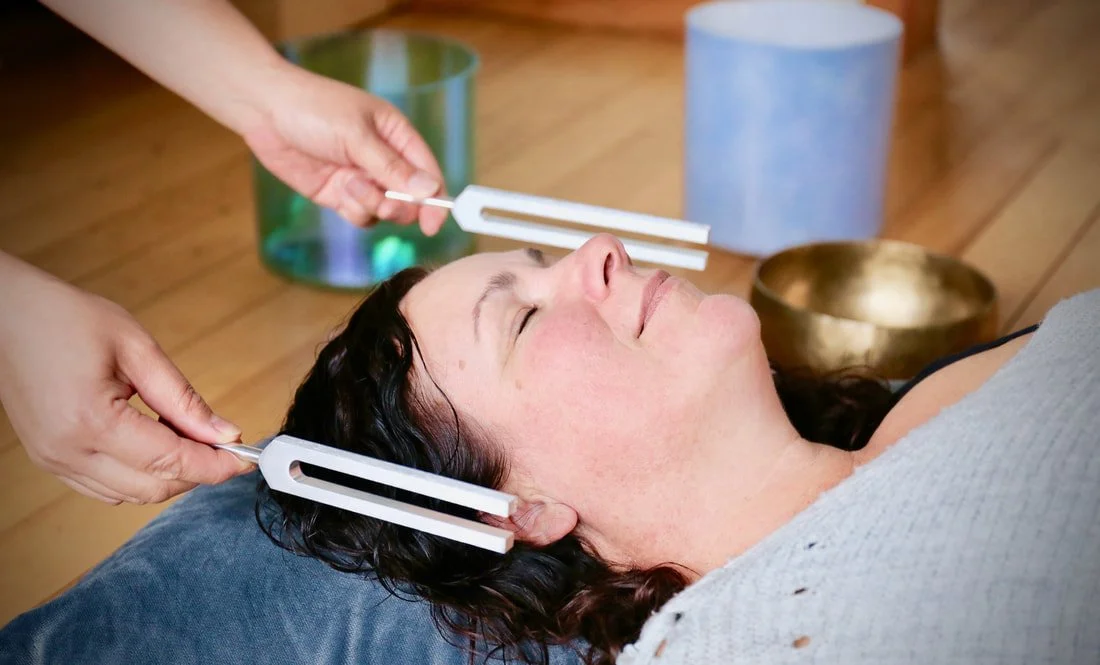
A woman lying peacefully while a sound healer uses tuning forks around her head to promote relaxation and nervous system regulation.
Transparency note: This post was written with the support of AI as a writing and editing tool. All clinical perspectives, intentions, and final content reflect my professional judgment and therapeutic values.